
Have questions?
support@reservepowerco.com
support@reservepowerco.com
support@reservepowerco.com
support@reservepowerco.com
Power outages are becoming more common across the United States due to extreme weather, grid instability, and aging infrastructure. Solar generators provide a clean, quiet alternative to traditional gas generators while offering reliable backup power for essential home devices.
In this guide, we compare some of the best portable solar generators for home backup based on battery capacity, inverter output, reliability, and real‑world usability.
| Brand | Model | Capacity | Best For |
|---|---|---|---|
| AFERIY | P310 | Large | Home backup |
| EcoFlow | Delta Pro | Expandable | Whole-home systems |
| BLUETTI | AC200 | High capacity | Off-grid power |
| Anker SOLIX | F2000 | High performance | Fast charging backup |

Best for expandable home backup systems.
Key highlights:
- 3600W inverter output
- LiFePO4 battery technology
- Expandable capacity options
- Multiple AC outlets
The AFERIY P310 is designed for users who want a reliable portable power station that can scale with their needs. With strong inverter output and expandable battery capacity, it can support essential home appliances during power outages while also serving as a versatile solution for outdoor and off‑grid use.
Explore the Aferiy P310 Portable power station and solar generator kit here.
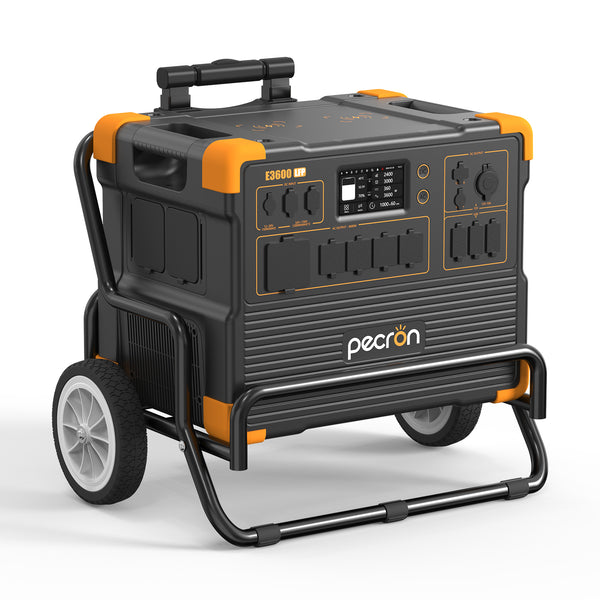
Best for high capacity backup power.
Key highlights:
- Large LiFePO4 battery capacity
- High inverter output
- Fast charging capability
- Solar compatible
The Pecron E3600LFP provides substantial battery storage and powerful output, making it a strong option for home backup scenarios. Its combination of fast charging and solar compatibility allows users to recharge quickly and maintain power during extended outages.
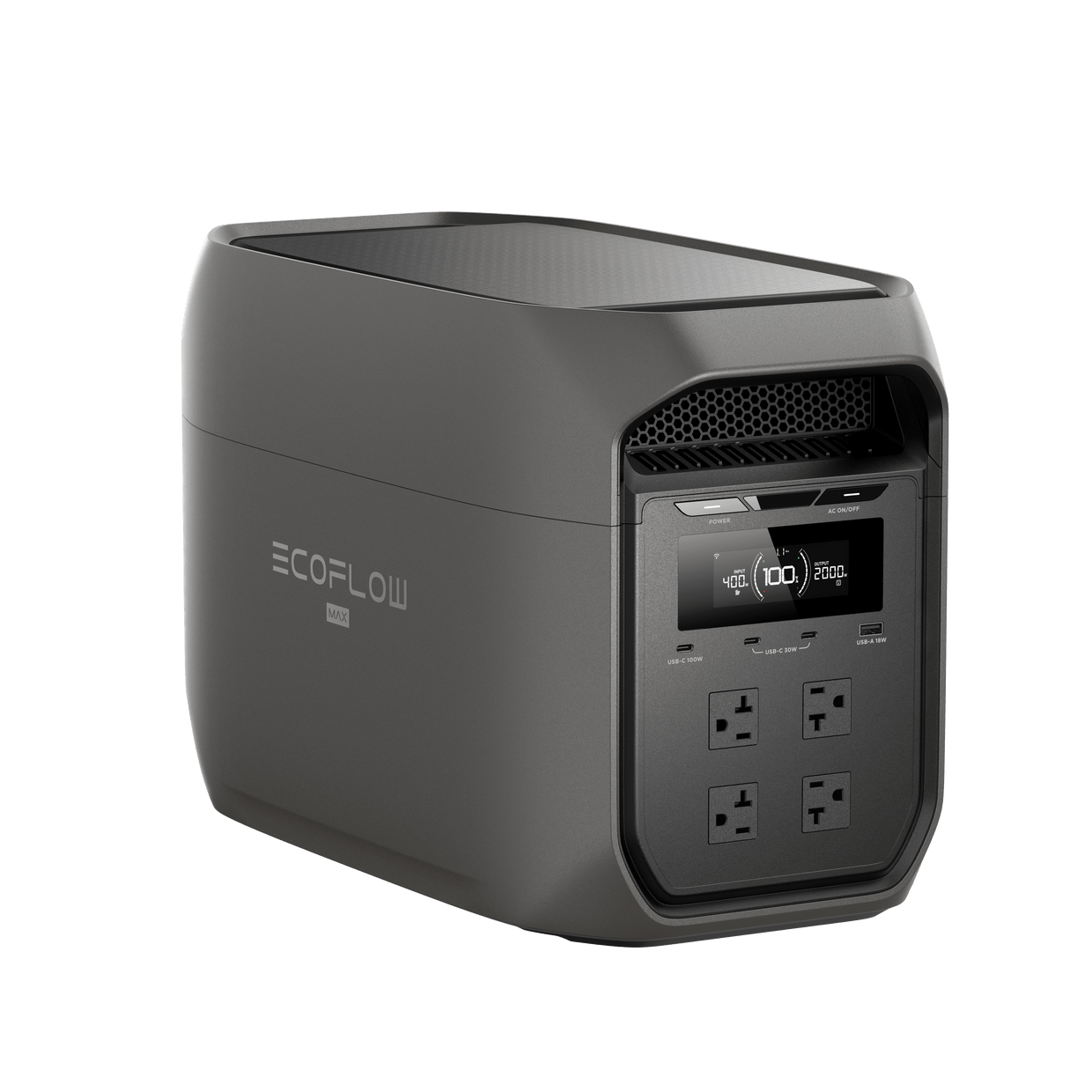
Best premium whole‑home portable backup system.
Key highlights:
- 3600W inverter output (expandable)
- Expandable battery system
- Fast charging capability
- Smart app monitoring
The EcoFlow DELTA Pro is one of the most advanced portable power stations available and is designed for serious home backup applications. With expandable capacity and high inverter output, it can power major appliances and integrate into larger home backup setups.

Best for high-capacity portable energy storage.
Key highlights:
- Large LiFePO4 battery capacity
- Multiple AC and DC outputs
- Solar charging compatibility
- Long cycle life
BLUETTI power stations are known for large battery capacity and durable LiFePO4 technology. Systems like the AC200 series provide reliable power for refrigerators, CPAP machines, electronics, and other critical devices during outages.

Best high-performance portable power station.
Key highlights:
- High inverter output
- Durable LiFePO4 battery
- Fast recharge technology
- Reliable build quality
Anker SOLIX power stations combine strong engineering with fast charging technology and durable battery systems. The SOLIX F2000 provides enough capacity to support essential home devices during outages while remaining portable enough for travel or outdoor use.

A balanced mid-capacity power station designed for essential devices. The P210 works well for keeping routers, laptops, televisions, lighting, and small appliances running during shorter outages.
Explore the Aferiy P210 Portable power station and solar generator kit here.
A compact and lightweight portable power station ideal for charging phones, laptops, lights, and small electronics during outages or outdoor trips.
Solar generators can power many essential devices during an outage. Typical examples include:
- Refrigerator: 10–20 hours depending on capacity
- WiFi router: 24+ hours
- Laptop: 20–30 charges
- CPAP machine: 15–20 hours
- LED lights and small electronics for multiple days
Explore the Aferiy P110 Portable power station and solar generator kit here.
| Solar Generators | Gas Generators |
| Quiet Operation | Higher continuous power output |
| No fuel required | Requires fuel storage |
| Safe for indoor use | Loud operation, cannot be used indoors |
| Minimal maintenance | Produces emissions |
Battery Capacity: Measured in watt-hours (Wh), battery capacity determines how long a generator can power devices.
Inverter Output: Determines which appliances you can run simultaneously.
Charging Speed: Some systems recharge quickly from wall outlets or solar panels.
Expandability: Certain models allow additional batteries to increase total capacity.
How big of a solar generator do I need to run a refrigerator?
Most refrigerators require 600–800 watts when running and up to 1200 watts during startup. A solar generator with at least 1500W inverter output and 1500Wh battery capacity is typically recommended.
Can a solar generator power a whole house?
Portable solar generators are designed to power essential appliances rather than an entire home. Larger expandable systems can support refrigerators, lights, and communication devices during outages.
How long do solar generators last?
Modern LiFePO4 battery systems often last 3,000–4,000 charge cycles, which can translate to 10 years or more of regular use.
Solar generators can power a wide range of essential devices during an outage. Typical examples include:
- Refrigerator: 10–20 hours depending on capacity
- WiFi router: 24+ hours
- Laptop: 30+ charges
- CPAP machine: 15–20 hours
- Lights and small electronics for multiple days
Solar Generators:
- Quiet operation
- No fuel required
- Safe for indoor use
- Low maintenance
Gas Generators:
- Higher continuous output
- Requires fuel storage
- Loud operation
- Produces emissions
Battery Capacity: Measured in watt‑hours (Wh), battery capacity determines how long a generator can run your devices.
Inverter Output: This determines which appliances you can run at the same time.
Charging Speed: Some systems recharge quickly from wall outlets or solar panels.
Expandability: Certain models allow you to add additional batteries for greater energy storage.
{"one"=>"Select 2 or 3 items to compare", "other"=>"{{ count }} of 3 items selected"}